
Kea'au Wing Chun Kung Fu
Wing Chun Kung Fu Training in Kea'au, Hawaiʻi
Discipline. Confidence. Serious training. Wing Chun coaching in Kea'au for beginners, returning martial artists, and focused students who want real skill, clear correction, and a room that builds discipline instead of just collecting material.
- Structure-first beginner training
- Bridge hands, Chi Sao, and partner timing
- Protected portal with student replay support

Instructor
Meet the instructor
Train with Sifu Brandon Camelia in Kea'au.
Chief Instructor Sifu Brandon Camelia leads the Kea'au affiliate of the U.S. Wing Chun Kung Fu Academy at the Armory at 16-512 Volcano Rd, Keaau, HI 96749. Classes emphasize Kim Yeung Ma structure, centerline, elbow position, movement without excess tension, bridge control, coordination, and understanding why a movement works.
The room balances legacy and practicality. Traditional material is taught with terminology, theory, and standards, but classes keep returning to reaction training, usable structure, distance, sequencing, and the moment when contact turns into opportunity.
- Clear technical correction instead of vague motivational coaching
- Lineage-rooted curriculum with modern playback and student support tools
- Consistent emphasis on calm pressure, balance, and usable response
About
About the school
A small Kea'au training room built around steady correction.
US Wing Chun Hawaii is for students who want clear fundamentals, partner contact, and a direct path from first lesson to ongoing class work. The first step is simple: request access, tell us your background, and we will point you to the right starting session.
Where
The Armory in Kea'au
Classes meet at 16-512 Volcano Rd, Keaau, HI 96749, with evening sessions built for focused training after work or school.
Who
Beginners, returning students, and serious learners
New students start with structure and simple partner coordination. Experienced students get more detail, timing, and pressure work.
First step
Join the new student path
Use the Join Now form so we know your goals, schedule fit, and preferred contact method before your first session.
System
Training system
Chris Chan lineage Wing Chun teaches a progression, not just a list of techniques.
The student manual lays out a system that starts with stationary structure, adds movement and bridge control, then opens into live expression, sequencing, and deeper tactical understanding.
U.S. Wing Chun
See the broader source academy behind this line.
U.S. Wing Chun Kung Fu presents the wider academy and lineage context for Grandmaster Chris Chan and the Ip Man line in San Francisco. The Kea'au school sits inside that same U.S. Wing Chun family and training logic.
Visit uswingchun.com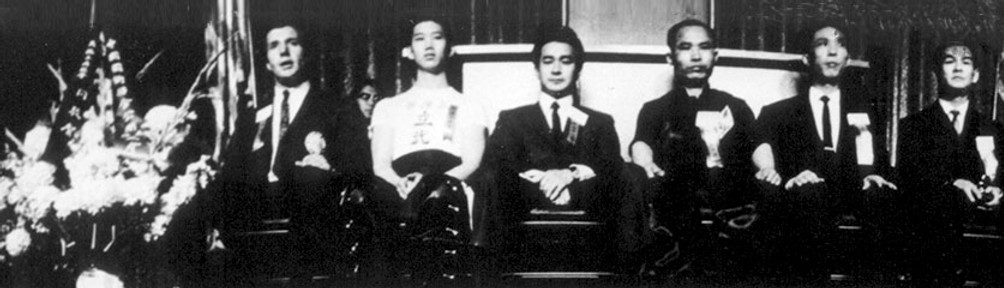

Progressive structure
Foundation before freedom
Beginner training is built around basic stance, stationary forms, standard Chi Sao, sandbag conditioning, and repetition. The idea is clear: first build the body mechanics, timing, and details that the rest of the system depends on.
Bridge logic
Bridge hands are a core language
The system gives real weight to Bong Sao, Tan Sao, Fook Sao, Wu Sao, Pak Sao, and the four bridges. Students learn to connect, pivot, move around the opponent, and keep pressure without giving away their own structure.
Dummy and sequencing
Dummy work drives combinations
The 108 wooden dummy set and the 12 golden combinations show how this line links form, trap, strike, distance, and sequencing. Dummy training is not treated like ornament. It is part of how timing, angle, and inward power get taught.
Live expression
Freedom comes after control
Intermediate and advanced training move from fixed structure into moving forms, live Chi Sao, and non-linear application. The goal is not random motion. It is to react without delay, use the free hand, and stay calm enough to read what is happening.
Programs
Training options
Choose the starting point that fits your current stage.
Each program path leads to the same clear first step: request access, tell us where you are starting, and we will point you toward the right class or coaching option.
Foundation
Beginners
Start with stance, centerline, first-form basics, and partner coordination.
Join NowRegular Classes
Adults and Teens
Build timing, bridge work, Chi Sao, movement, and applied skill through regular classes.
Join NowPrivate Coaching
Youth or One-on-One
Use private sessions for focused work on form, terminology, conditioning, or applications.
Join NowWeekly rhythm
The current weekly schedule
Classes are held at the Armory at 16-512 Volcano Rd, Keaau, HI 96749 on Sundays and Tuesdays from 5:30 PM to 7:15 PM, plus an advanced-students session on Thursdays at the same time.
Sunday
All students5:30 PM - 7:15 PM
Add to calendarTuesday
All students5:30 PM - 7:15 PM
Add to calendarThursday
Advanced only5:30 PM - 7:15 PM
Add to calendarFit
Who This Room Serves
Students who want progression they can actually feel.
This training environment works best for people who want substance, correction, and a technical path they can stay with over time.
Beginners
Start with clean fundamentals
New students get a structure-first path instead of being rushed into noise, speed, and confusion.
Returning students
Rebuild with better detail
If you trained before and want cleaner mechanics, better timing, and more grounded partner work, this room fits that well.
Serious learners
Train for real skill
Students who care about calm pressure, bridge reading, and disciplined progression tend to feel at home here.
Good fit if you want
Technical depth, correction, and repetition that actually builds skill.
If you like detail, measured progress, and partner work that explains why something works, this room has a lot to offer.
Maybe not the fit if you want
Noise, chaos, or a fast costume version of mastery.
The pace is intentional. The goal is composure, structure, and clean application, not fast-looking confusion.
Questions new students ask
Everything someone needs before their first class.
This section answers the questions most new students ask before they step onto the floor.
Do I need experience before joining?
No. The beginner track is built for students who are starting from zero.
What do beginners learn first?
Beginners start with Kim Yeung Ma, centerline punching, square fist mechanics, and the key details of Siu Lim Tao before moving deeper into bridge drills and partner timing.
What should I bring to my first session?
Comfortable training clothes, water, and a willingness to learn at a steady pace.
Is training focused only on forms?
No. Students work on forms, moving drills, Chi Sao, four-bridge drills, San Sik, wooden dummy practice, and applied partner sequences.
Can teens or younger students join the program?
Youth availability depends on the current Kea'au schedule, so call the school or use the contact page for the latest class options.
What makes the training different?
The emphasis is on building the details first, moving the foundation through Chum Kiu, protecting the centerline, measuring distance well, sequencing combinations cleanly, and generating power without unnecessary tension.
What stands out about Chris Chan lineage Wing Chun?
This line is unusually explicit about progression: stationary foundation first, moving forms next, then bridge work, dummy sets, linked combinations, live Chi Sao, and deeper tactical ideas like distance, pressure, and calm reaction.
Will I need to be strong or fast to start?
No. Students first learn structure, alignment, timing, and coordination. Speed and power are built on top of that foundation.
What lineage does the school teach?
The school teaches within the U.S. Wing Chun lineage through Grandmaster Chris Chan in the Yip Man line, with a curriculum that strongly emphasizes forms, bridge hands, Chi Sao, wooden dummy work, conditioning, and live application.
Ready to train?
Start your training with a clear first step.
Tell us your background, goals, and preferred contact method. We will guide you toward the right starting point, whether that is an intro session, a schedule conversation, or private coaching.
- Booking: Use the US Wing Chun Hawaii contact page or call the school directly
- Email: bcuswchawaii@gmail.com
- Phone: 1-808-825-3855
- Location: The Armory, 16-512 Volcano Rd, Keaau, HI 96749
- Tax License: Hawaii General Excise Tax license information
- Hours: Sundays and Tuesdays, 5:30 PM to 7:15 PM; Thursday (Advanced Students), 5:30 PM to 7:15 PM